
A jewelry and gemstone commerce business needed a long-term digital infrastructure capable of supporting enterprise-level catalog complexity across jewelry, gemstones, natural diamonds, and lab-grown diamonds without relying on manual catalog operations.
Case Study
Automated Jewelry & Gemstone Commerce Platform
A Google Cloud and Shopify commerce platform for supplier feeds, catalog operations, pricing, inventory synchronization, and AI-assisted content, with an architecture for automated product publishing across sales channels.
The platform had to handle highly variable product data, inconsistent multi-supplier feeds, duplicate records, missing fields, broken images, fast-moving inventory, and pricing changes at a scale where manual catalog maintenance was no longer viable.
- Google Cloud infrastructure
- Custom product database
- Supplier feed integrations
- Pricing and inventory logic
- Variant management architecture
- Shopify storefront and checkout
- Product feeds and sales-channel publishing architecture
- AI content workflows
Multichannel commerce
Automated product publishing across sales channels.
One shared catalog for product details, images, prices, and inventory — designed to publish products and keep listings up to date across connected storefronts, social shops, and marketplaces.
- Shopify
- Instagram & Facebook Shop
- Google Shopping
- YouTube
- TikTok
- Amazon
- eBay
Channel rollout is phased: publishing is enabled as each account and integration is connected and approved.
Inside the platform
From the storefront to everyday operations.
Views of the storefront, internal catalog and cloud tools. Private business and infrastructure details are obscured for publication.

Customer-facing storefront
The shopping experience connected to the commerce platform.
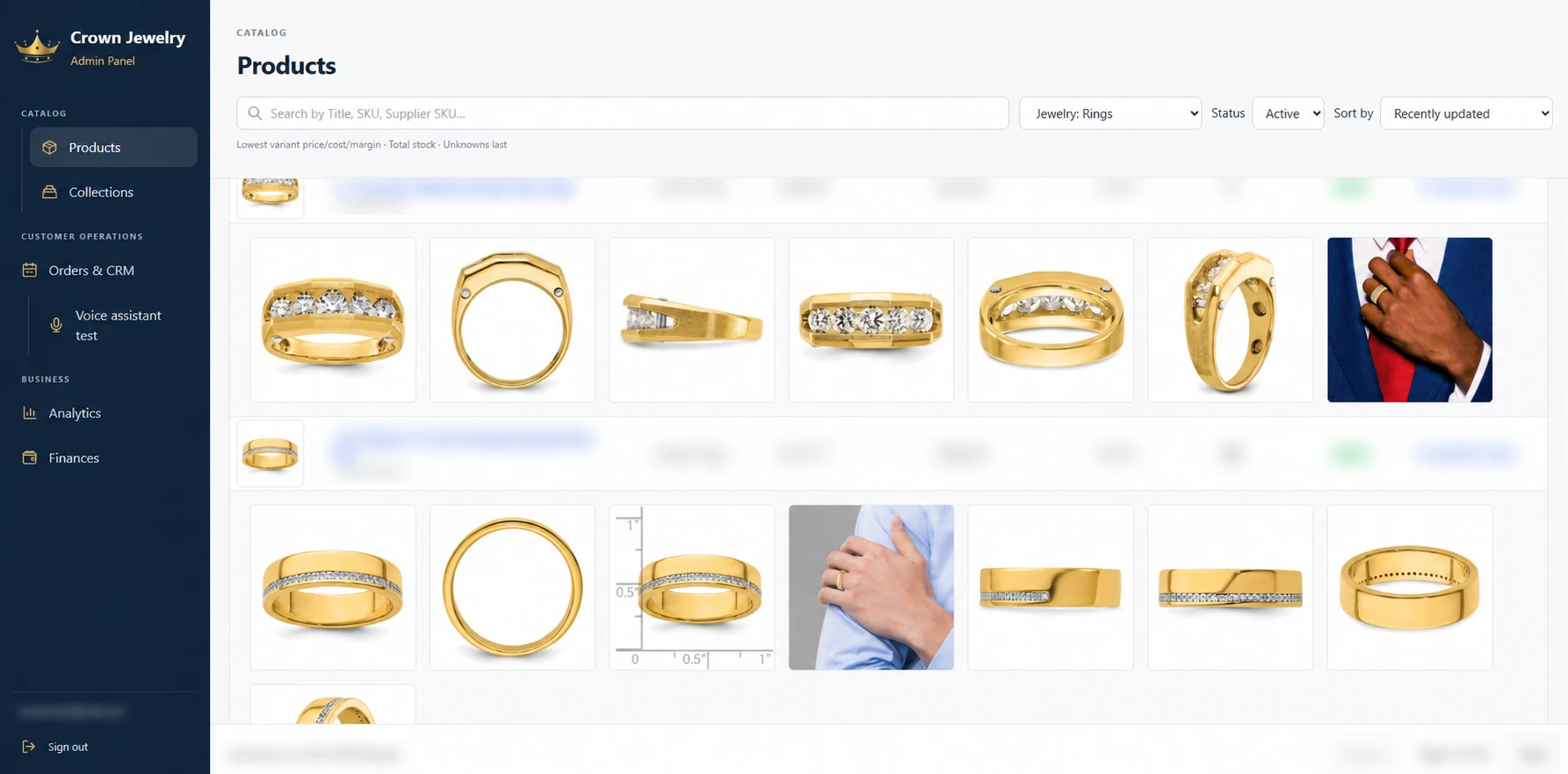
Internal catalog workspace
Product images and catalog operations in one admin interface.
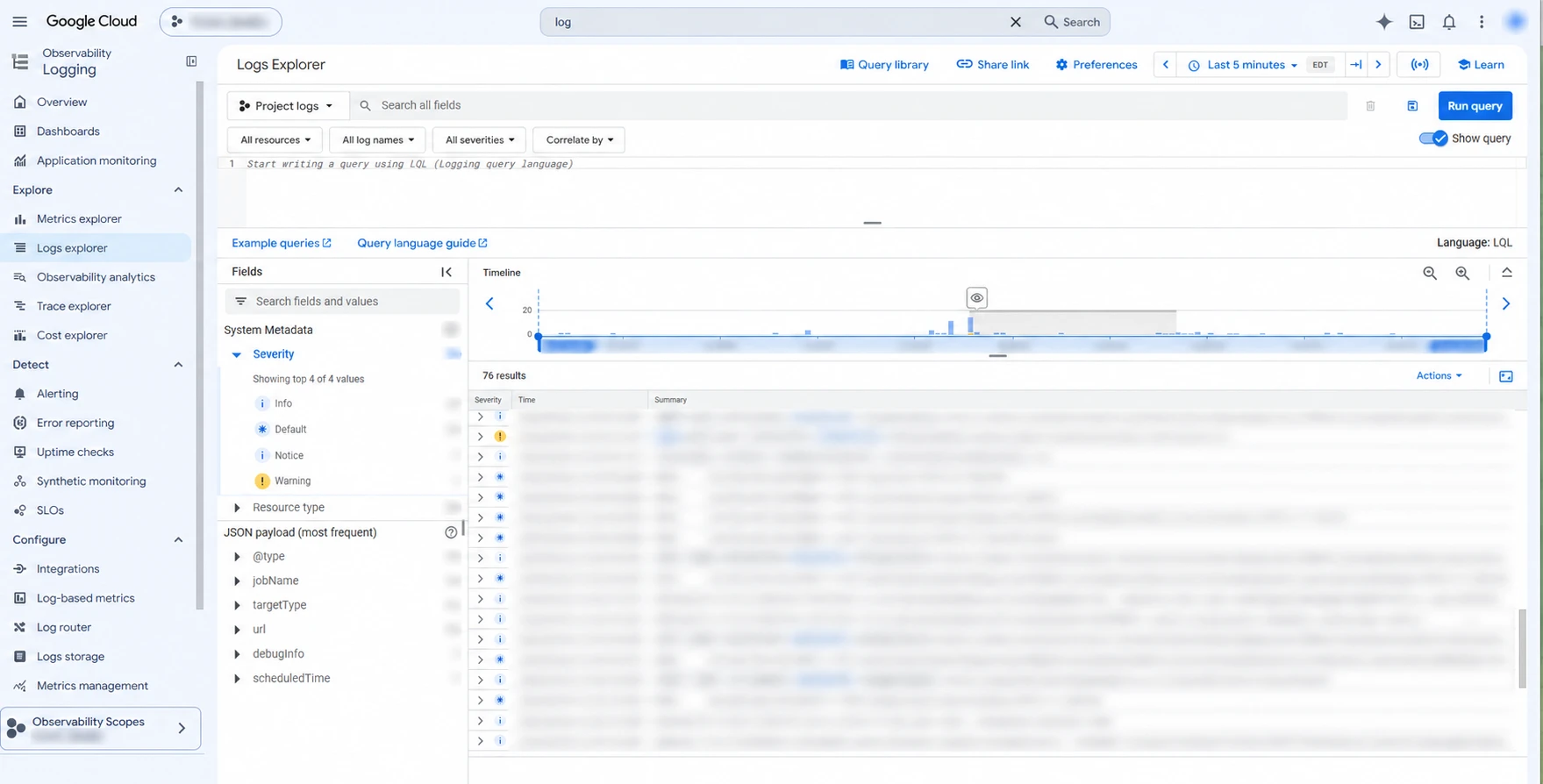
Google Cloud logs
The logging interface used to inspect system activity.
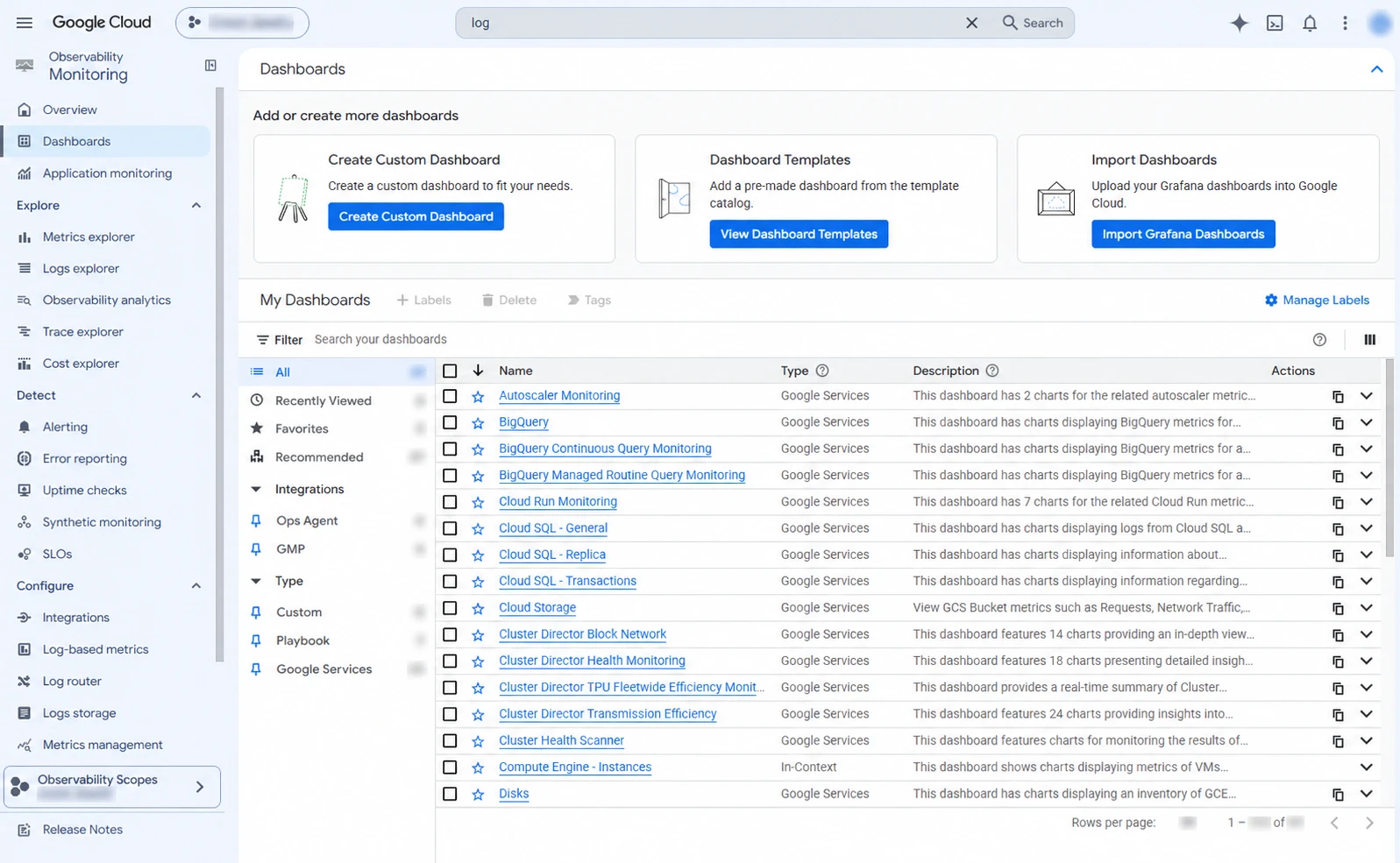
Monitoring workspace
The dashboard directory for navigating Google Cloud monitoring tools.
Screenshots supplied by the project owner. Sensitive areas have been edited for privacy; these views do not represent performance metrics.
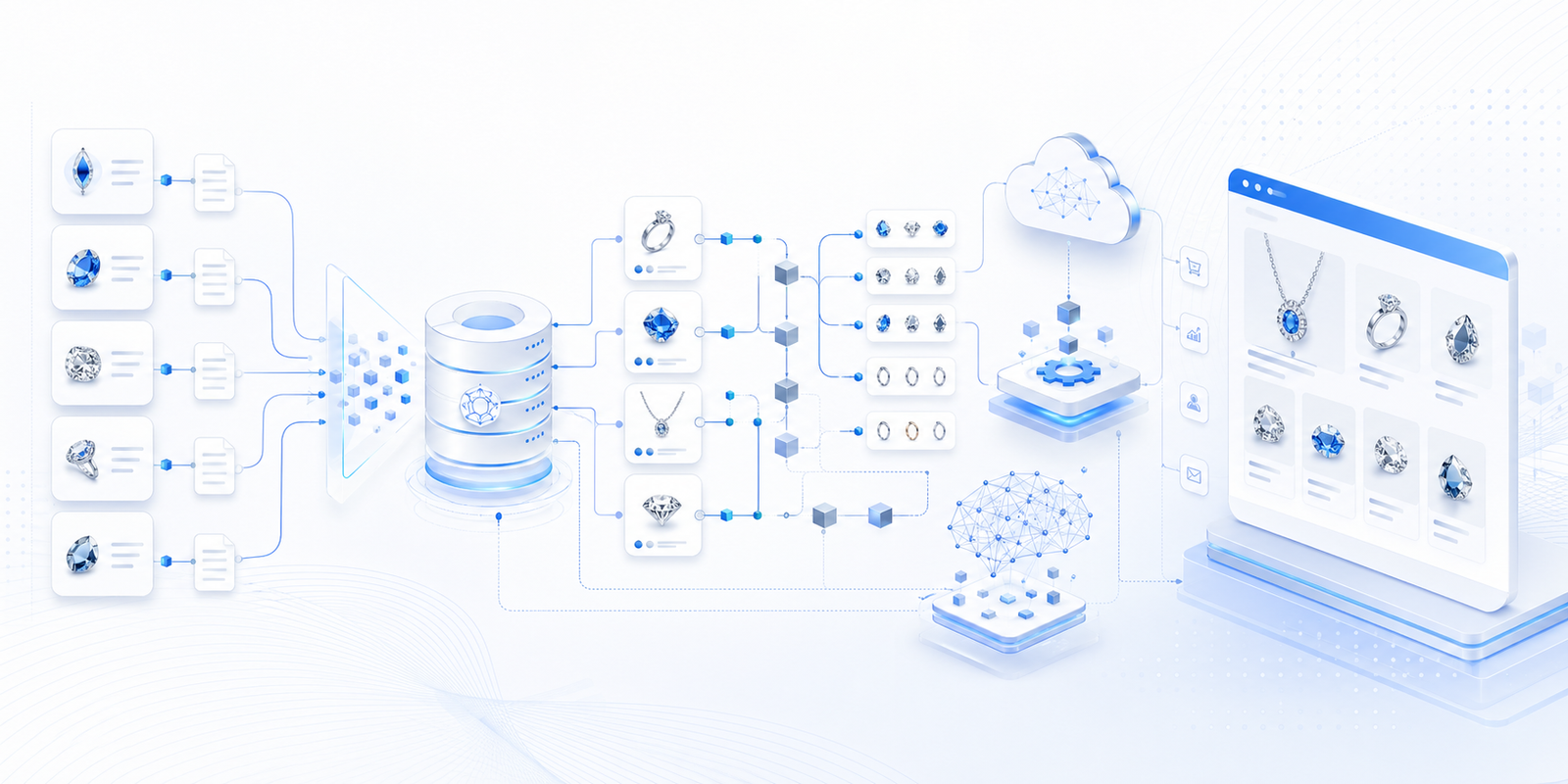
Case visualization
Hybrid commerce pipeline from supplier data to storefront publishing.
The visualization frames the operating path across supplier ingestion, product normalization, pricing logic, inventory updates, AI-assisted enrichment, and Shopify synchronization.
01Feeds
02Normalize
03Price
04Enrich
05Publish
Supplier feeds
Multi-source catalog inputs with inconsistent data and availability changes.
Normalization layer
Cleanup, deduplication, category logic, SKU generation, and attribute structuring.
Commerce sync
Pricing, inventory, variants, images, and publication flow into Shopify automatically.
AI enrichment
Descriptions, SEO metadata, tags, and structured product copy generation.
Sales-channel publishing
Extend the shared catalog to social shops and marketplaces as channel connections are activated.
Cloud RunCloud SQLCloud StorageCloud SchedulerShopifyGraphQL API
Supplier integrationsCatalog normalizationShopify synchronization
Approach
- Evaluate custom, standard-platform, and headless approaches before selecting a hybrid custom-backend plus Shopify storefront model
- Build the backend infrastructure on Google Cloud using Cloud Run, Cloud Storage, Cloud SQL, and Cloud Scheduler
- Create a daily automated pipeline for supplier feed ingestion, normalization, duplicate removal, SKU generation, and commerce synchronization
- Connect pricing, inventory, images, variants, and new-product publishing into one structured operating system
- Extend the shared catalog into automated sales-channel publishing, with channel-specific product mapping, availability updates, and publication rules
- Add AI-assisted workflows for product descriptions, SEO metadata, tags, attribute cleanup, marketing copy, and customer-service support
Operational improvements
- Daily supplier updates became automated instead of requiring ongoing manual catalog work
- Product and variant records are organized in a shared catalog model
- Rule-based collections organize the storefront catalog
- Pricing, inventory, variant, image, and product-publication workflows became more reliable and easier to scale
- The storefront now sits on top of infrastructure designed for operational control, not just launch speed
The business is now prepared for multi-supplier expansion, marketplace integrations, global SEO growth, paid advertising scale, and future headless migration without rebuilding the entire operating foundation.
Where the system can expand next.
The next phase can extend the same architecture into additional supplier sources, marketplace channels, deeper reporting layers, and further front-end flexibility while keeping the underlying commerce operations automated.
Discuss a similar operational challenge.
If your business is dealing with similar system complexity, Conmars LLC can structure a practical roadmap without relying on generic agency recommendations.